You’ve probably noticed your partner’s wellness habits affect you whether you intend them to or not. When they start running regularly, you find yourself considering exercise. When they stock the fridge with fruits and vegetables, you eat better by default. When they stay up late scrolling their phone, you do too.
This isn’t coincidence. Research from University College London found that people trying to quit smoking, lose weight, or exercise more were significantly more successful when their partner made the same changes. Couples who changed health behaviors together had better outcomes than those where only one partner tried to improve or even those where one partner already had healthy habits.
The difference isn’t just about accountability. It’s about removing the friction that derails most wellness efforts. When you’re both working toward similar goals, you’re not negotiating conflicting schedules, explaining food choices, or justifying time spent on activities the other person doesn’t value.
Why Individual Goals Don’t Work in Shared Lives
Most wellness advice treats you as an individual making independent choices. But if you share a home, meals, schedule, and bed with someone, your health decisions are never truly independent. Your partner’s habits create the environment in which you try to maintain your own.
If one person wants to eat healthier but the other keeps bringing home pizza, the person trying to change their diet faces constant temptation. If one partner commits to morning workouts but the other stays up late making noise, the early riser can’t get adequate sleep. If one person values wellness appointments but the other views them as unnecessary, scheduling becomes a source of tension rather than support.
This doesn’t mean couples need identical goals or habits. It means acknowledging that your wellness exists within a shared context. The most effective approach isn’t trying to force individual change despite your partner; it’s finding ways to support each other’s goals even when they differ.
What Support Actually Looks Like
Supporting a partner’s wellness goals doesn’t mean becoming their personal trainer or nutritionist. It means removing obstacles and creating conditions where their desired changes become easier to maintain.
Start with conversation, not prescription. Ask what would genuinely help rather than assuming you know. Some people want companionship during workouts. Others prefer exercising alone but appreciate having healthy meals ready when they get home. Some need encouragement. Others need space without judgment. The support that helps one person might frustrate another.
Make environmental changes together. Many wellness habits fail not because of willpower but because the environment doesn’t support them. Stock the kitchen with foods that align with health goals. Establish evening routines that promote good sleep for both people. Schedule activities that both people can participate in rather than competing for time. These changes benefit both partners even when they’re ostensibly supporting one person’s goal.
Recognize when goals conflict and negotiate accordingly. Sometimes one partner’s wellness priority creates legitimate challenges for the other. Early morning workouts might wake up a partner who needs more sleep. Strict meal plans might eliminate shared dining experiences. Recovery time might reduce availability for social obligations. Honest conversation about these tradeoffs prevents resentment and helps find solutions that work for both people.
South Florida Wellness Advantages for Couples
Living in South Florida provides natural infrastructure for shared wellness activities. The climate allows year-round outdoor exercise without weather-related excuses. Beach walks, outdoor cycling, swimming, tennis at local facilities. These activities become easier to maintain consistently when you can do them together without seasonal interruptions.
The abundance of fresh produce from local and Latin American sources makes healthy cooking more accessible and interesting. Establishing better eating habits together works better when you have variety and quality ingredients consistently available rather than relying on willpower to eat boring meals.
However, South Florida’s social culture can also work against wellness goals if you’re not intentional. The restaurant scene stays active seven nights a week. The climate encourages outdoor drinking. Tourist season brings visitors who want to socialize. Supporting each other means deciding together which social opportunities align with your priorities and which don’t serve your goals.
When One Partner Needs More Support
Sometimes wellness isn’t about shared goals but about one person needing specific support for health challenges. Recovery from illness, managing chronic conditions, addressing deficiencies that affect energy or function. In these situations, the partner’s role shifts from working on parallel goals to actively supporting the other person’s needs.
This might mean adjusting household routines to accommodate treatment schedules. Preparing specific meals that support recovery. Taking over responsibilities temporarily so the other person can prioritize health. Understanding that wellness support sometimes requires genuine sacrifice rather than just mutual benefit.
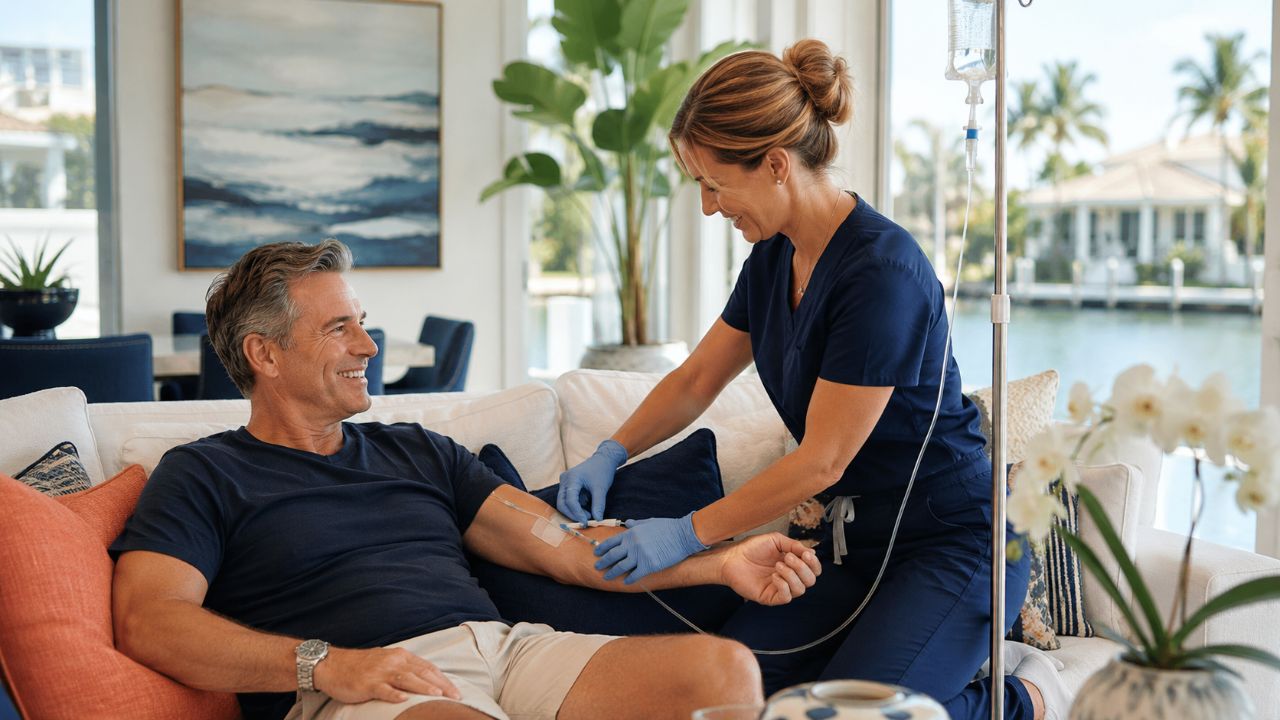
Mobile wellness services like IV therapy can help in these scenarios by reducing the logistical burden on both partners. Instead of one person needing to drive the other to appointments, sit in waiting rooms, and manage scheduling, treatment comes to your home. The person receiving treatment gets what they need while minimizing disruption to shared time and routines.
Some couples even schedule sessions together. Hydration therapy, vitamin infusions, recovery support after demanding periods. It becomes shared wellness time rather than one person’s medical appointment. This works particularly well in South Florida where the climate and active lifestyle create baseline needs that affect both partners similarly.
The Communication Challenge
The hardest part of supporting a partner’s wellness isn’t logistics. It’s navigating the emotional dynamics around health, bodies, and behavior change. People bring sensitivity, shame, defensiveness, and past failures to wellness conversations. What you intend as support can land as criticism. What seems like gentle encouragement can feel like nagging.
Frame conversations around your own needs and observations rather than the other person’s failures. “I’d like us to have more energy for weekend activities” works better than “You need to exercise more.” “I want to try cooking more at home” avoids the judgment in “You eat too much takeout.”
Avoid the expert role unless explicitly invited. Your partner didn’t ask for a wellness coach; they asked for a partner. Sharing information is fine. Unsolicited advice about what they should do rarely helps and often creates resistance.
Celebrate progress without making it about appearance or comparison. “You seem to have more energy lately” beats “You’re looking thinner” every time. The goal is supporting your partner’s health and function, not commenting on their body or comparing them to others.
Building Systems Together
The couples who succeed at maintaining wellness long-term don’t rely on motivation or willpower. They build systems that make healthy choices the default rather than constant decisions requiring effort.
This might mean establishing meal planning routines that prevent last-minute unhealthy choices. Creating morning rituals that include movement before the day’s demands interfere. Setting up bedrooms that promote good sleep by removing screens and controlling light. Scheduling regular wellness practices the same way you’d schedule any other important commitment.
These systems work best when both partners contribute and both benefit. Even if one person cares more about fitness while the other prioritizes sleep, you can create routines that support both goals simultaneously. The structure serves shared objectives even when the specific focus differs.
Supporting your partner’s wellness ultimately means recognizing that their health affects your life together. Their energy, mood, physical capability, and longevity impact your shared future. Approaching wellness as a team creates better outcomes than individual effort. That’s what makes couple wellness work in South Florida where both the opportunities and temptations run high year-round.