
If you play pickleball, padel, or tennis in South Florida, your recovery routine has to do more than the weekend warrior version. The Athlete drip is built for exactly this: a targeted IV blend of the amino acids arginine and glutamine, plus L-carnitine, B Complex, and magnesium, delivered in a Lactated Ringer’s base that supplies the electrolyte foundation your body burns through in the heat. The goal isn’t just rehydration. It’s getting you back on court the next morning without the heavy legs, the dull headache, or the second-day soreness that quietly kills your performance.
Here’s what makes the South Florida version of this conversation different, and why a generic sports drink rarely closes the gap.
Why Racquet Sports Hit Florida Players Harder
The combination of heat, humidity, and stop-start movement does something unique to your body. Pickleball and padel involve constant lateral cuts, overhead reaches, and explosive bursts that load the rotator cuff and lower-leg muscles in ways your nervous system has to adapt to over time. Tennis adds longer rallies and heavier serves. Now add a Florida afternoon where the dew point sits at 75 degrees, and sweat rates can climb past one liter per hour without you really noticing.
That’s a problem because by the time you feel thirsty, you’re already roughly 2 percent dehydrated, which is the threshold where coordination, reaction time, and grip strength start to decline. The USTA’s coverage of pickleball injury prevention for tennis players emphasizes building stamina gradually and treating overuse early, but even players doing everything right end most weeks with cumulative fluid and electrolyte debt. That debt doesn’t show up as a single bad day. It shows up as a slow erosion of how good you feel on court three weeks into a hot stretch.
What’s Actually in The Athlete Drip
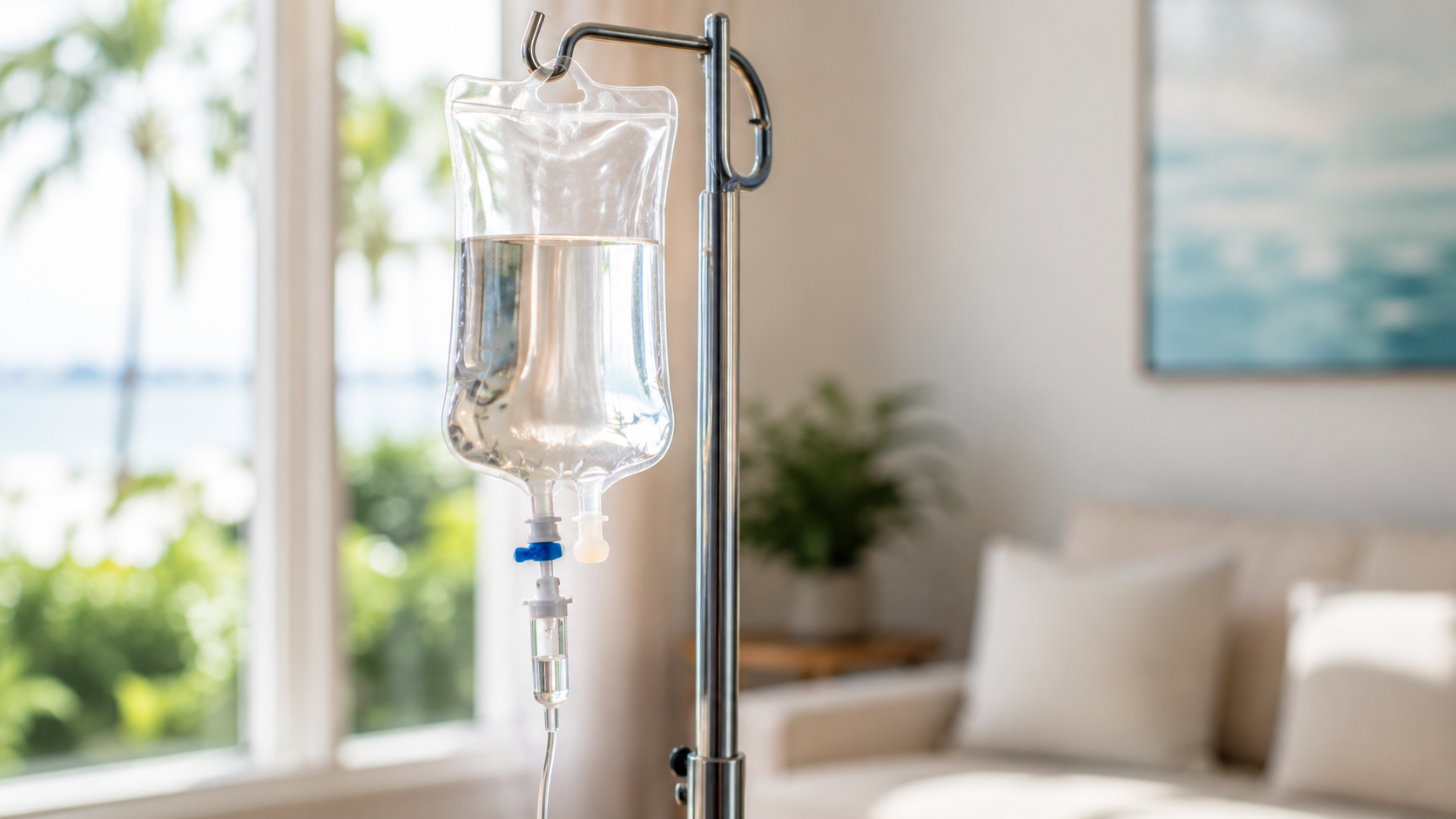
The Athlete IV therapy protocol stacks a few specific ingredients that work together rather than in isolation. The synergy is what matters; individually, none of these are miracle additives, but combined they cover the major recovery levers in a single 45-minute session.
Glutamine, Arginine, and L-Carnitine
Glutamine and arginine support muscle recovery, blood flow, and gut barrier function, which matters more than most players realize because hard exercise in heat can temporarily increase intestinal permeability. L-carnitine helps your cells turn fatty acids into usable energy, which supports endurance across long matches and multi-day events. Players who go straight from a long match to a heavy dinner often feel the gut response that follows; this amino acid support helps blunt that.
B-Complex
B vitamins are cofactors in energy production at the cellular level. When you’ve been sweating heavily for two or three matches in a week, the water-soluble vitamins are some of the first nutrients to run low. A B-complex push delivers them directly into circulation rather than waiting on digestion, which is why the energy lift feels noticeable rather than placebo.
Magnesium and Electrolytes
This is the piece sports drinks underdeliver on. The sodium and potassium in commercial drinks are real, but the magnesium content is usually negligible, and magnesium is exactly what your muscles need to release contraction and prevent the post-match cramping that wakes players up at 3 a.m. The Lactated Ringer’s base gets fluid and electrolytes back into your bloodstream fast, and the added magnesium carries that recovery further, supporting the repair happening at the cellular level, not just in your bloodstream.
The 90-Minute Recovery Window That Changes Everything
There’s a stretch right after a hard match, roughly the first 90 minutes, when your body is most receptive to nutrient repletion. Get fluids, arginine and glutamine, and electrolytes in during that window, and you wake up the next morning genuinely recovered rather than functionally recovered, which is the difference between playing your A-game in the second match of a weekend tournament versus playing your B-game and hoping it holds up.
This is where IV delivery has a real edge over oral supplementation. You’re bypassing the gut entirely, which means absorption isn’t capped at whatever your digestive system can handle while it’s also dealing with a post-match meal. For tournament players or league regulars stacking two or three matches in a weekend, that absorption advantage compounds.
Pickleball, Padel, and Tennis: Different Demands, Same Recovery Needs
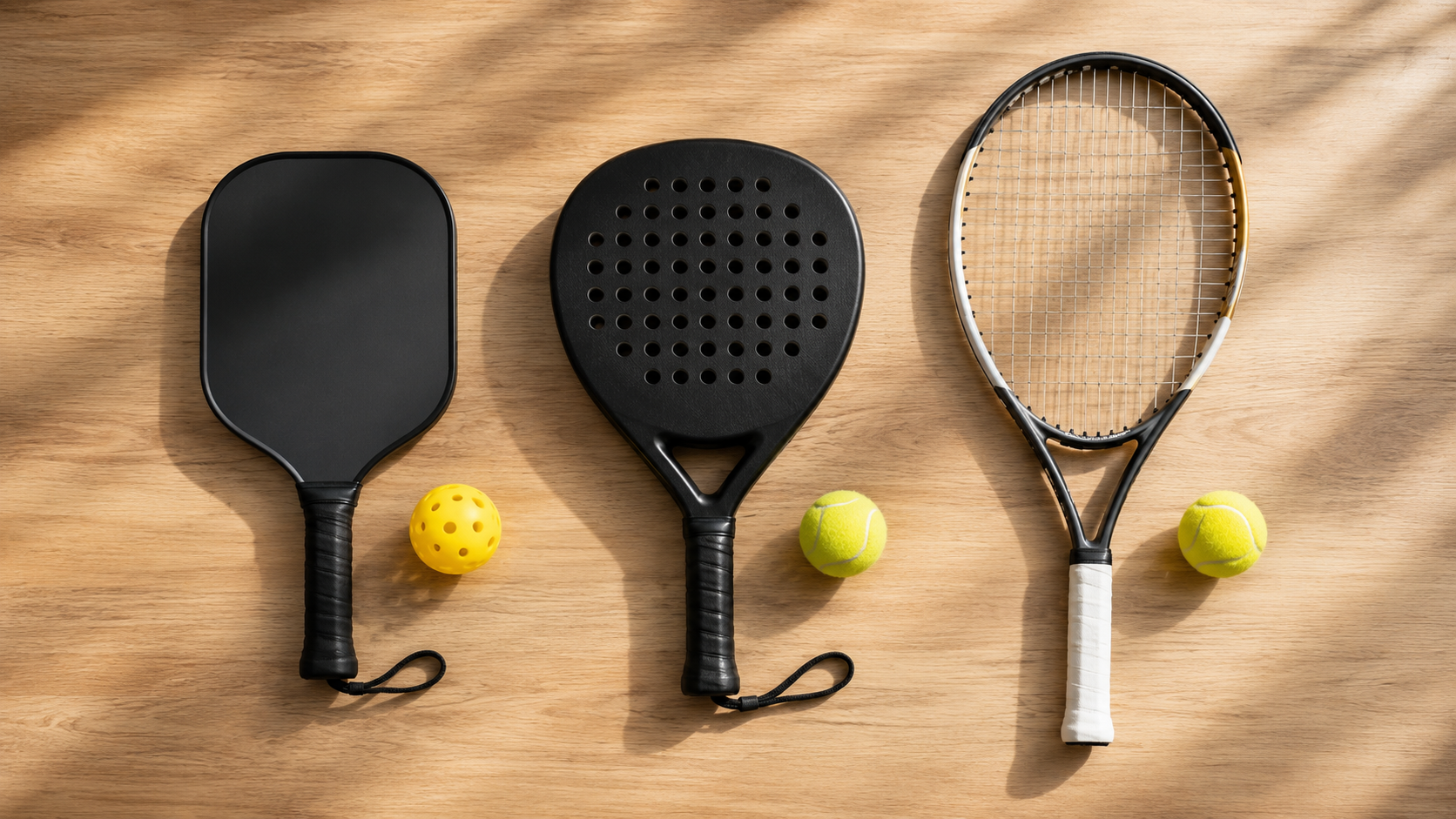
Pickleball
The pickleball boom across Boca Raton, West Palm Beach, and the Wellington area means a lot of newer players are ramping volume faster than their connective tissue can adapt. The most common issues are rotator cuff irritation from overheads, Achilles tightness from quick first steps, and lateral epicondylitis (pickleball elbow) from repeated paddle impacts. Recovery support won’t replace a proper warm-up or a smart rest day, but it does help your tissues rebuild between sessions when you’re playing four or five times a week.
Padel
Padel is exploding across South Florida, with new clubs opening from Aventura up through Palm Beach Gardens. The wall play and the lower-bouncing ball mean more deep lunges and rotational forces through the hips and lower back than tennis players are used to. Hydration and electrolyte support specifically help with the muscular endurance side, which is where most padel players hit a wall in their second hour of play.
Tennis
Tennis is the original racquet sport in South Florida and the one with the longest cumulative load profile. Whether you’re a USTA league player in the 3.5 to 4.5 range or a competitive junior parent shuttling between clubs, you’re managing repetitive shoulder loading, ankle stability, and core endurance. The Athlete drip pairs well with a structured strength and conditioning routine; it doesn’t replace the work, but it helps the work hold up.
When to Book Your Athlete Drip Around Training
The best results come from timing it intentionally. Three scenarios work particularly well.
The first is tournament weekend recovery, ideally booked for the evening after your last match or the morning of a multi-day event. The second is a heavy training week reset, typically Sunday evening after a stack of three or four high-intensity sessions. The third is the day before a big match if you’re feeling depleted from the week and want to show up fresh; in that case, you might pair The Athlete with a smaller dose of the Recharge IV for an extra energy and focus lift.
For players nursing a minor injury or coming back from a rest week, the Restore drip can be a better fit because it is a lighter, hydration-focused option that replenishes fluids and electrolytes while you rest. The good news is your provider can help you pick between the two based on what your week looks like.
Building This Into Your Season
Most regular players see the biggest benefit from running an Athlete drip every two to three weeks during heavy play seasons, with extra sessions around tournament weekends or when the heat index climbs above 100. That’s not a hard rule, just a starting framework. Some players find one session a month is enough; others stack more during the summer months when humidity makes everything harder and recover less during the cooler season.
The thing to remember is that recovery work compounds. The Athlete drip isn’t a magic pill, but used consistently during a competitive season, it’s the kind of supporting protocol that helps you play more often, recover faster, and avoid the slow performance decline that quietly shows up around match number twenty in a hot summer stretch. For South Florida players, that’s the difference between enjoying your season and grinding through it.
Ready to add structured recovery to your training? Book your Athlete drip session or schedule a mobile visit at your club, and we’ll help you build a protocol that fits your sport, your schedule, and your goals.
Frequently Asked Questions
How often should I get The Athlete drip if I play pickleball or padel several times a week?
Most regular racquet sports players benefit from one Athlete drip every two to three weeks during heavy play seasons, with extra sessions around tournament weekends or when the heat index climbs above 100. Players stacking five or more matches per week may benefit from weekly sessions during peak summer months.
Is The Athlete IV drip safe before a tennis tournament?
Yes. The Athlete drip is a hydration and nutrient protocol, not a stimulant or performance-enhancing substance. Most players book it the evening before or the morning of competition to start fully hydrated with replenished electrolytes, B vitamins, and the amino acids arginine and glutamine. It does not contain anything prohibited by USTA or recreational league rules.
How long does The Athlete IV drip take?
A standard Athlete drip session runs about 45 minutes from setup to finish, including the IV placement and the slow drip itself. You can sit, work, or relax during the session. Most players feel the energy and hydration lift within an hour of completion.
Can The Athlete drip help with pickleball elbow or rotator cuff irritation?
It can support the recovery side of those issues by replenishing magnesium for muscle function, and delivering the amino acids arginine and glutamine, plus L-carnitine and B vitamins that support recovery. It does not replace rest, proper warm-up, or physical therapy, but it can speed soft-tissue recovery when used alongside those approaches.
Is The Athlete drip available as a mobile service in West Palm Beach?
Yes. Mobile IV therapy brings The Athlete drip to your home, your hotel, or your racquet club in West Palm Beach, Boca Raton, Wellington, and across South Florida. A licensed clinician handles setup and monitoring, so you can recover at your court or after morning play without driving to a clinic.
What is the difference between The Athlete drip and a sports drink?
A sports drink replaces water and basic electrolytes through your digestive system. The Athlete drip delivers a far higher dose of magnesium, B vitamins, arginine, glutamine, and L-carnitine directly into your bloodstream, bypassing absorption limits. The result is faster, more complete recovery that sports drinks cannot match.
