Thanksgiving weekend means packed airports, long drives, disrupted sleep schedules, and family gatherings that last late into the night. By the time you make it home, you’re exhausted. Not just tired, but that deep, full-body fatigue that makes getting back to your normal routine feel impossible.
That post-travel crash isn’t just in your head. Your body has been through a legitimate physiological challenge, and it needs strategic recovery support to bounce back effectively.
Why Travel Hits Your Body So Hard
Travel fatigue involves more than just feeling sleepy. When you cross time zones, your circadian rhythm gets disrupted. Research from the National University of Singapore analyzing 1.5 million nights of sleep data found that while sleep duration recovers within a few days, sleep timing and architecture can take more than a week to realign, particularly after eastward travel.
Even if you don’t cross time zones, travel still takes a toll. Airport exposure means breathing recirculated air filled with germs from hundreds of travelers. The low humidity in airplane cabins dehydrates you faster than normal. Sitting for extended periods reduces circulation. Stress from navigating crowded spaces and tight schedules elevates cortisol.
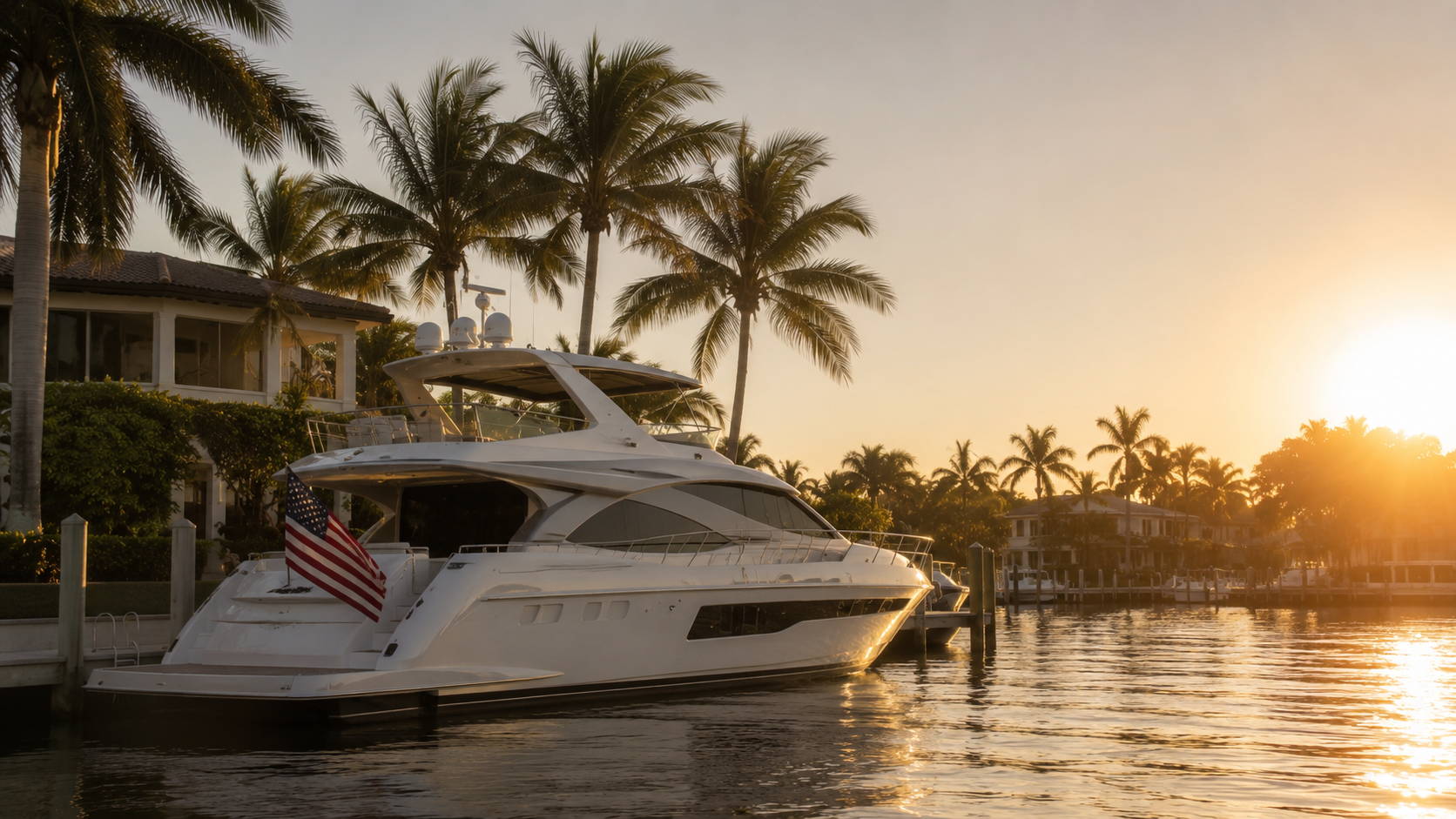
In South Florida, Thanksgiving travel often means dealing with some of the nation’s busiest airports. Fort Lauderdale-Hollywood International and Miami International handle massive holiday traffic, creating extended exposure to crowds and additional stress from delays and congestion.
The Real Timeline for Travel Recovery
Most people expect to feel better after one good night’s sleep. The reality is more complex.
According to research published in the CDC’s Yellow Book, jet lag symptoms typically require approximately one day of recovery for each time zone crossed. For travelers crossing three or fewer time zones, symptoms usually resolve within one to three days, but symptoms often result more from general travel fatigue than circadian disruption.
However, your immune system, hydration status, and cellular energy don’t bounce back on the same timeline as your sleep schedule. Many people report feeling run down for several days after travel, then catching a cold or flu the week they return home. This happens because travel temporarily suppresses immune function through multiple mechanisms: sleep disruption, dehydration, stress, and exposure to novel pathogens.
Practical Recovery Strategies That Actually Work
Prioritize rehydration immediately. Air travel is incredibly dehydrating. Cabin humidity typically sits around 10-20 percent, compared to the normal 30-60 percent humidity in most buildings. Your body loses fluids faster than you realize, and this dehydration contributes significantly to fatigue and brain fog.
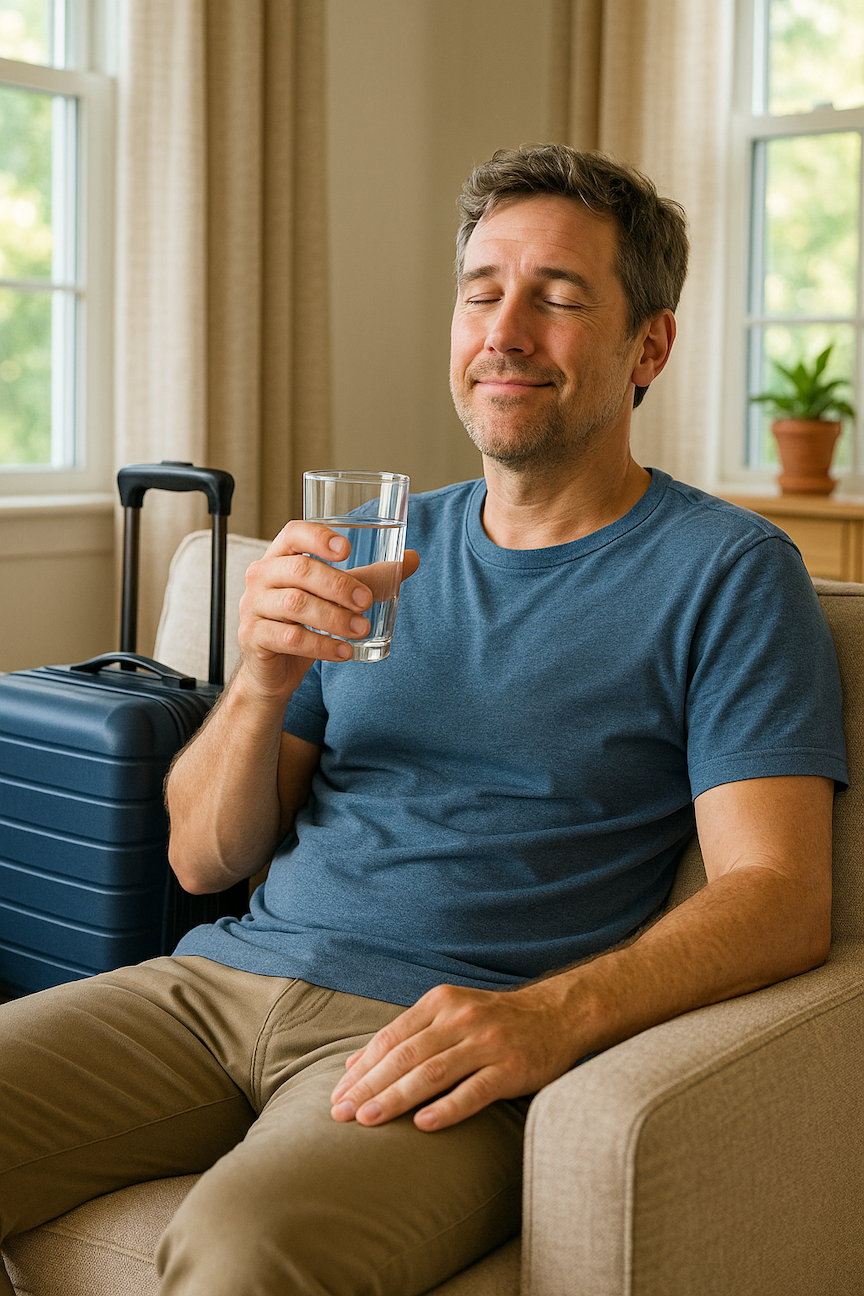
Drink water consistently for the first 48 hours after travel. Consider adding electrolytes, especially if you’re in South Florida where the heat and humidity will challenge your hydration status further once you’re home.
Resist the urge to push through. Many people try to jump back into their normal routine immediately after returning from travel. Work emails pile up. You have obligations. But forcing yourself to operate at full capacity while your body is recovering often extends your recovery time and increases your risk of getting sick.
If possible, build in a buffer day after major travel. Use it to rest, organize, and ease back into your regular schedule rather than hitting the ground at full speed.
Get strategic with light exposure. Your circadian rhythm responds strongly to light. If you traveled east and you’re waking up too early, avoid bright light in the morning and seek sunlight in the afternoon and early evening. If you traveled west and can’t fall asleep at night, get bright light exposure in the morning to help shift your rhythm earlier.
South Florida’s abundant sunshine actually works in your favor here. Strategic outdoor time can help reset your clock faster than if you were recovering in a darker climate.
Support your immune system proactively. The week after travel is when many people get sick. Your immune system has been challenged by exposure, stress, poor sleep, and dehydration. Supporting it during this vulnerable window can prevent illness.
Focus on nutrient-dense foods, adequate sleep, stress management, and staying hydrated. Some people find targeted immune support through supplements or mobile IV therapy helpful during this recovery period, particularly if they have important work obligations or can’t afford to get sick.
When Standard Recovery Isn’t Enough
Sometimes the standard advice of rest, hydration, and time isn’t sufficient. Certain situations create more intense recovery needs.
Frequent travelers often find that their bodies don’t fully recover between trips. The cumulative effect of constant travel can leave you perpetually run down, even when you’re technically following all the recovery guidelines.
Business travelers face the additional challenge of needing to perform at high levels immediately after travel. You can’t afford three days of brain fog when you have a presentation the day after you land.
Parents traveling with children experience amplified stress and disrupted sleep during travel itself. You’re managing your own recovery while handling tired, cranky kids and getting everyone back into routine.
For these situations, some people explore faster recovery options. IV hydration therapy can address dehydration and nutrient depletion more rapidly than oral methods. The direct delivery of fluids and electrolytes bypasses digestive absorption, which can be helpful when you need to recover quickly.
Frequently Asked Questions About Travel Recovery
How long should I expect to feel off after Thanksgiving travel? Most people feel notably better within 2-3 days after returning home, assuming they prioritize rest and hydration. However, complete recovery of sleep patterns, immune function, and energy levels can take up to a week. If you crossed multiple time zones, expect recovery to take longer.
Why do I always get sick after traveling? Travel temporarily weakens your immune system through multiple factors: exposure to new germs in crowded spaces, dehydration from low cabin humidity, sleep disruption, and stress. Additionally, your hands touch contaminated surfaces frequently during travel. The combination creates perfect conditions for catching whatever virus you were exposed to during your trip.
Is it normal to have digestive issues after travel? Yes, very normal. Travel disrupts your circadian rhythm, which affects digestion. Different water sources, altered meal timing, rich holiday foods, and stress all contribute to digestive disturbance. These issues typically resolve within a few days as you return to your normal routine and eating schedule.
Should I exercise right away or rest completely? Light movement like walking can actually help with recovery by improving circulation and mood. However, avoid intense workouts for the first 2-3 days after major travel. Your body is already stressed from travel, and hard exercise adds more stress when you need recovery instead.
Does IV therapy really help with travel recovery? IV hydration therapy can address dehydration and nutrient depletion rapidly, which many people find helpful when they need to bounce back quickly. It’s not necessary for everyone, but frequent travelers or people who can’t afford downtime often find it useful. The key is understanding it’s one tool among many recovery strategies, not a magic solution that eliminates the need for rest and healthy habits.
Building Travel Recovery Into Your Routine
The best approach to travel recovery is planning for it before you leave. Knowing you’ll need recovery time helps you avoid overscheduling yourself immediately after big trips.
Before major travel, prioritize sleep in the days leading up to your departure. Starting your trip well-rested gives your body more resilience. During travel, stay hydrated even when it’s inconvenient. Drink water consistently rather than waiting until you feel thirsty.
After travel, give yourself permission to ease back in rather than immediately operating at full capacity. A little extra rest and strategic recovery support in the first few days can prevent the bigger crash that comes from pushing too hard too soon.
South Florida’s warm climate and abundant sunshine actually support faster recovery than many other regions. Take advantage of the weather to get outside, reset your circadian rhythm with natural light, and support your body’s return to normal function.
Struggling with post-travel fatigue? Consider exploring supportive recovery options that help your body bounce back faster when rest alone isn’t enough. Contact us today for our Boca Raton IV services, designed to help busy South Floridians get back to feeling their best.